





What Drives Businesses Toward Custom Applications
Custom applications create value when standard products restrict important workflows, data, integrations, user experiences, operating control, or future product direction.

2X Faster Launch

Workflow Fit

Connected Systems

Scalable Services

20% Better Completion

Lower Debt
What Are Custom Application Development Services
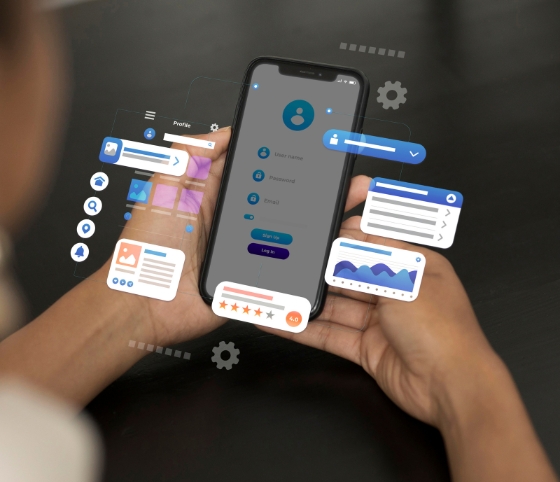
Custom application development services create software around an organization's exact users, workflows, data, integrations, controls, and market goals. The work covers product discovery, experience design, engineering, testing, deployment, and ongoing improvement when standard products cannot deliver the needed fit or ownership.
Common reasons to build custom software
- Standard software products force costly workflow compromises.
- Critical integrations require purpose-built logic and controls.
- Growth demands flexible architecture and owned roadmaps.
- AI features need governed data and oversight.
Trusted by Businesses Worldwide
Saffron Tech helps businesses build and evolve applications through design and consulting, development and engineering, enterprise integration, SaaS development, quality assurance, maintenance, and technical support.
2.5K +
Success stories
150+
IT Professionals
30+
Industries Served
18+
Years of Experience
Our Custom Application Development Services
We shape each engagement around the product goal, operating workflow, user need, technical estate, and measurable outcome. Services can support a new build, platform extension, recovery, or modernization program.
Discovery and Product Strategy
We turn business goals into a testable product direction. Discovery maps users, workflows, risks, constraints, systems, data, and success measures before major design or engineering commitments begin.
- Define users, outcomes, risks, and constraints.
- Validate feasibility before major engineering begins.
- Prioritize releases against measurable business value.
- Produce roadmap, scope, and decision records.
UX Design and Prototyping
We design role-based experiences around real tasks, context, and access needs. Prototypes help stakeholders validate journeys, content, states, and interactions before the team invests in full implementation.
- Map critical journeys and user roles.
- Test concepts before committing development effort.
- Create accessible, reusable interface components.
- Validate workflows with representative users.
Web and Mobile Applications
We build browser, mobile, and cross-device experiences for customers, employees, partners, and operators. Each channel follows one product model while respecting device behavior, connectivity, performance, accessibility, and support needs.
- Build responsive web and mobile experiences.
- Support role-based journeys across devices.
- Design offline, notification, and sync behavior.
- Measure adoption, task success, and retention.
Backend and API Engineering
We create domain services, APIs, data models, background jobs, and business rules that support reliable application behavior. Interfaces include clear contracts, authentication, errors, versioning, observability, and ownership.
- Design secure APIs and domain services.
- Model data around business rules.
- Support events, queues, and background processing.
- Document contracts, errors, and versioning.
System Integration
We connect the application with identity, CRM, ERP, payments, content, communications, analytics, and internal systems. Integration design defines data authority, mappings, timing, permissions, monitoring, retries, and recovery.
- Connect CRM, ERP, identity, and payments.
- Govern mappings, permissions, and failure handling.
- Synchronize records without duplicate ownership.
- Monitor interface health and data quality.
Cloud and DevOps Engineering
We design delivery pipelines and cloud environments around the application's reliability, security, scale, recovery, and cost needs. Automation makes builds, tests, releases, configuration, and operational evidence repeatable.
- Automate builds, tests, and deployments.
- Design observable, resilient cloud environments.
- Control access, secrets, and configuration.
- Track reliability, capacity, and operating cost.
Maintenance and Product Enhancement
We support stable operations and continued product improvement after launch. Work can cover incidents, defects, upgrades, security, performance, accessibility, integrations, technical debt, and evidence-led feature releases.
- Resolve defects using defined service priorities.
- Improve performance, security, and accessibility.
- Modernize components without disrupting users.
- Evolve features through measured product evidence.
Technology Choices for Custom Frontend Applications
Technology selection should follow product and technical requirements rather than defaulting to a specific framework. React, Angular, Vue.js, Svelte, Bootstrap, jQuery, and Express.js can support different frontend needs depending on interface complexity, performance, scalability, browser requirements, team expertise, and long-term maintenance.
React
Use React for component-based web applications that require reusable UI patterns, interactive experiences, and scalable frontend architecture.
Angular
Use Angular when a structured framework and built-in capabilities are useful for larger applications with complex frontend requirements.
Vue.js
Use Vue.js for responsive, component-driven interfaces where a flexible and approachable frontend framework fits the product.
Svelte
Use Svelte when streamlined frontend output and efficient interactive experiences are important to the application.
Bootstrap
Use Bootstrap for responsive interfaces that benefit from reusable UI components and faster frontend implementation.
jQuery
Use jQuery where established applications rely on its capabilities for DOM manipulation, HTML and CSS handling, utilities, and AJAX interactions.
Express.js
Use Express.js when server-side JavaScript capabilities are needed alongside frontend development for APIs, integrations, or web application functionality.
Timeline, Cost, and Engagement Drivers
Frontend timelines and costs depend on the product scope, interface complexity, existing codebase, integrations, testing requirements, and delivery approach. Discovery helps establish the work involved before selecting an engagement model.

Scope
The number of pages, user roles, workflows, components, states, languages, and responsive requirements can significantly affect frontend effort.

Experience
Research, prototyping, UI design, accessibility, responsive behavior, and design-system requirements influence both timeline and development effort.

Architecture
Application structure, component reuse, state management, rendering approach, performance targets, and framework requirements shape implementation complexity.

Integrations
API availability, third-party services, authentication, data dependencies, and integration failure handling can affect frontend delivery.

Quality
Browser compatibility, accessibility, performance, automated testing, security, and regression coverage add important delivery considerations.
Delivery
A fixed-price engagement can suit stable requirements, while time and materials can support evolving scope. A dedicated team can support an ongoing product roadmap, while ongoing support fits applications requiring continued maintenance, testing, and frontend improvements.
Why Choose Saffron Tech for Application Development?
Saffron Tech combines consulting, design, engineering, integration, testing, and ongoing support to build applications around specific business requirements. Our teams focus on scalable architecture, modern development practices, reliable integrations, and long-term application performance.
Full-Cycle Expertise
From consulting and design to development, testing, deployment, and maintenance.
Business-Focused Solutions
Applications tailored to specific workflows, requirements, and business objectives.
Scalable Engineering
Modern architectures designed to support growth, evolving requirements, and changing workloads.
Integration Capabilities
Connect applications with third-party systems, real-time notifications, and business analytics.
SaaS Experience
Develop scalable SaaS applications with business models and product requirements in mind.
Ongoing Support
Continued maintenance, quality assurance, automation, integration testing, and technical support

Plan Your Custom Application Roadmap
Share the users, workflows, current systems, data, integrations, target outcomes, constraints, and release goal. We will use discovery to define the suitable build path, phased scope, architecture decisions, key risks, required inputs, delivery model, and estimate
Request an Application Discovery SessionTechnologies Powering Application Development
Our development teams work across modern application technologies and platforms to build web, mobile, SaaS, eCommerce, enterprise, and logistics solutions that are scalable, reliable, and aligned with business requirements.



























AI & Data

Cloud & Platform Engineering
Engineering & Development
DevOps & Delivery
Digital Experience
Technology Consulting
Application Expertise Across Industries
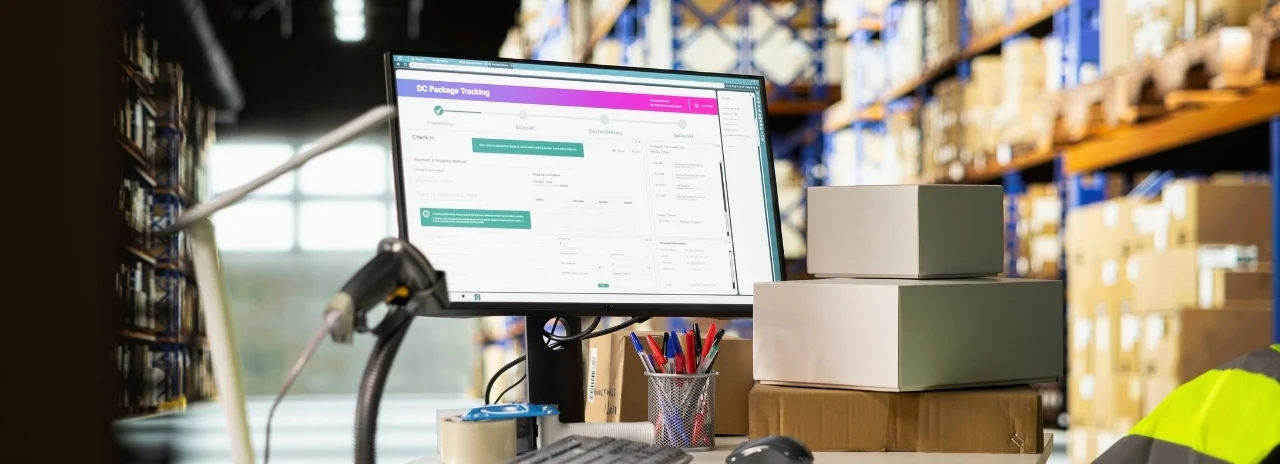
Saffron Tech provides full-cycle application development for businesses that need consulting, product design, custom engineering, system integration, testing, updates, and ongoing application support.







Enterprise-Grade Security & Compliance

ISO 27001

HIPAA Compliant

GDPR Complian

SOC 2 Type II
Case Studies
Before this, managing our ML workflows took a lot of manual effort. The automation has made things much easier for our engineering teams.

Rohan Mehta
Head of AI EngineeringWe had data across too many systems and it was slowing down decisions. The AI platform helped us bring everything together and made day-to-day operations much smoother.”

Dr. Michael Carter
Chief Technology OfficerForecasting used to take a lot of manual work. With AI handling the analysis now, our team can focus more on strategy and customer experience.

Alex Romero
VP Engineering“The biggest difference for us is visibility. We can now see potential issues before they affect production.”

Daniel Hughes
Chief Information Officer“Routing decisions used to take hours of planning. Now the system helps us make those decisions much faster.”

Sophia Lang
Head of Data & Technology“The AI monitoring tools help us spot problems early. It’s made managing the network much easier for our team.”

Kevin Patel
Chief Technology OfficerWhat Our Clients Say
Saffron Edge is an amazing and highly recommended SEO company. They are always responsive, professional, and best of all they show RESULTS! HIGHLY RECOMMENDED!

Salvabor Ordorica
Operations Manager, Translation CompanyThe quality is exceptional. I love their work, and I appreciate our back-and-forth.

Xanare
President, Flexyn GlobalI felt that they really understood my vision and were really excited about it.

Caitlin Thorpe
Founder, Seamless TherapyFrequently Asked Questions
These answers cover the main strategy, scope, architecture, governance, ownership, and vendor-selection questions technology buyers raise before a custom application engagement begins.
What do custom application development services include?


When is custom software the right choice?
When is an off-the-shelf product better?
Can low code replace custom application development?
What inputs does the development team need?
How long does custom application development take?
What affects custom application development cost?
What affects front end development cost?
How do you choose an application architecture?
How are application integrations planned?
How are security and privacy handled?
How should AI features be governed?
Who owns the code, data, and documentation?
What support is needed after launch?
How will application development change through 2028?
Find out what Saffron Tech can do for you
- Free assessment and roadmap
- Custom solution recommendations
- ROI projections for your use case
Reach out to us
Reach out to us